
Crisis Leadership Blog
Insights and perspectives on being the lighthouse during a crisis.
Very Scary Marketing Decisions
Have you ever seen a social media post or TV commercial from a well-known brand and said, “What the hell were they thinking?” Especially if it bordered on or crossed into being perceived as racist or prejudiced? That’s exactly what Bath and Body Works faced when they...

Be Prepared for What Comes after Election Night
It’s almost here. Based on retail stores, you might think “it” is Christmas, but “it” is not. No, “it” is Election Day. Most years, elections just kind of happen. People vote, wait for the results to be announced, celebrate or not, and then go on with their daily...

It’s a Litigious World after All
Are you signed up for Disney+? Well, according to a now-withdrawn lawsuit defense, if you are a subscriber, you’ve signed away your rights to sue the company for anything regardless of what happened and where. Does this make you mad? Or think a little differently...

How Colleges and Universities Can Handle Reputational Risk Better
Higher education is seemingly in an increasingly perilous spot. As the job market shifts — 47 to 54% of jobs will likely be lost to automation by 2030, or roughly 800 million jobs globally, according to McKinsey Global Institute — higher ed also needs to reinvent...

Far from a Textbook Year for Higher Ed Leaders
Thousands of colleges and universities around the nation are back in full swing for a new academic year, my daughter among them (Sko Buffs!). The beginning of a new college semester heralds many things on college campuses. The sight of students burning the midnight...
By definition, Kith means a cadre of peers who shape opinions and attitudes while instilling sophisticated habits for action. As a way to live this value, we like to share resources that are building blocks to good crisis management and can help you start the path of protecting your reputation.
More Recent Insights

Speed: The Foundation of Becoming Crisis Confident
In my last blog post, I introduced the concept of Crisis Confidence, and that confidence is born out of speed, clarity, and trust. Over the next three weeks, I want to dig in on each of those elements and give them context and specific recommendations on what you can do to improve all three. Being Crisis Confident Starts with Speed For me, the key...

Clarity, Trust, and Speed are the Building Blocks of Crisis Confidence
"The crucible of crisis doesn't develop your skill sets; it reveals them." I've said these words to many leaders over the years, and as people pause and reflect on it, it dawns on them: if they're honest with themselves, they don't think they'll like what the crucible will reveal. Deep down, they know that they're not ready for crises. However, for years...

Give comms a seat at the table
COVID changed so many of our lives in dramatic and also small ways. For me, one was watching TV. I’ve never been a huge TV person so I’ve been fortunate to have great programs to watch as I focused on sticking close to home. The other night I started to watch a show called Suspicion. It’s interesting but one of the major characters is played by Uma Thurman...

Breaking the Crisis Wheel
Like my Kith colleagues, I cut my proverbial teeth in politics. Not as a candidate, but as a campaign staffer and, later, a political consultant. Campaigns are great places to train for reputation management and crisis communications because everything is a crisis. The latest mud your opponent threw at you is a crisis. A campaign stop going sideways is a...

Politics is coming for you
Have you ever stood at the grocery store trying to decide which pasta to buy and thought about the CEO of one pasta company making a political statement? You remember you didn’t appreciate what she said, but you really prefer how that pasta cooks. Or maybe you agreed with her, but their pasta tastes like eating rubber bands. That CEO’s political statement...

You Aren’t Crying Wolf
Have you ever wondered why some people are always worrying about the next step down the road and others just wait for the problem to happen before dealing with a big mess? This was the source of a discussion I recently had with a friend who, like me, honed his skills in politics but has taken those skills to external affairs in the hallowed halls of...

Trust and Crisis Confidence
I bet you remember doing fire drills as a kid in school. Your teachers were trying mightily to get 25 fourth graders (if you are Canadian, grade fours) to follow the predetermined route, in a “calm and orderly fashion.” You would then proceed to your designated spot and goof off with your friends for 20 minutes before going back to your regularly...

Speed in the Face of Social Risks
My mom used to point out that I have been through every type of natural disaster except a tsunami. Wildfires and snow storms were a regular occurrence growing up in the Canadian north. My college education was ended by a historic flood. I’ve been through earthquakes, tornadoes and hurricanes. I’m not keen about rounding out the list but I’ve learned some...

Clarity is Critical When Preparing for Social Risks
Happy New Year! 2022 is here! By now, the confetti is swept up and champagne glasses cleaned or, if you were like me, your PJs have been put away, and you've awoken from a long winter's nap. Either way, 2021 has been wrung out, and a new year has begun. A fresh start. Except it's still looking a lot like last year. With one added twist - 2022 has the...
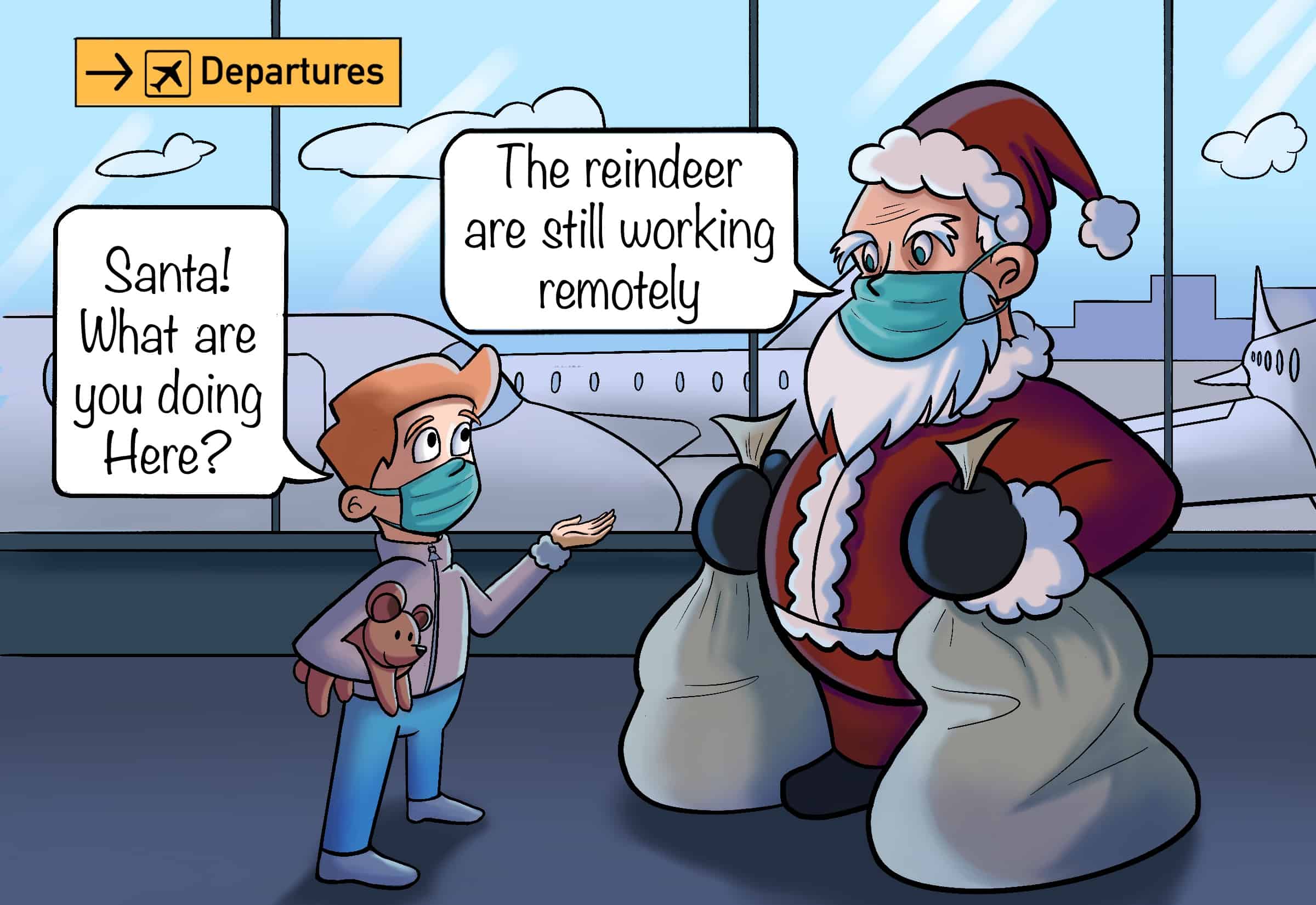
A time for Grace and Gratitude
This will more than likely be our last post for 2021. And what a year it has been. For those of you that follow along in this space, you know that in July, I had a pretty severe accident and spent a week in the ICU. Last week I had the final of 4 surgeries on my right foot rebuilding and repairing all 5 of my metatarsals. I lost my dad in January and had a...
The Kith Method
Good crisis management comes from a plan. Great crisis management comes from capability – and starts before you even smell smoke. That’s why we developed the Kith Method. We can help build and maintain a flexible capability that works for you.
Your reputation is an investment; time-consuming and costly to build and expensive to repair. Protect it.