
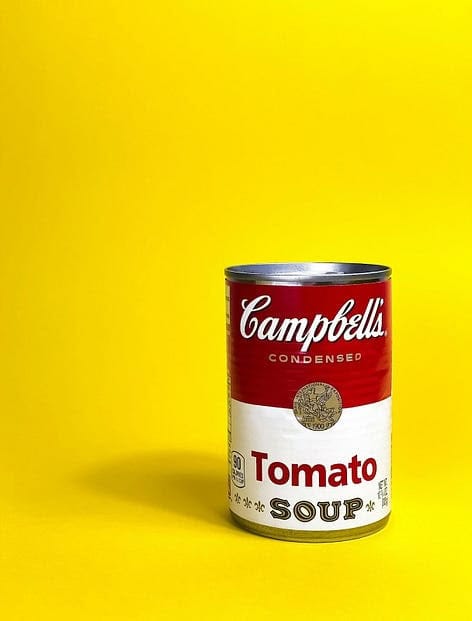
When leaders go off-script, even the most comforting brands can suddenly feel cold.
That’s exactly what happened a few weeks ago to Campbell’s Soup after a senior executive referred to its products as being “for poor people,” and also made a racially insensitive comment about employees. The remarks, which were made in a meeting between the executive and one of his subordinates, spread across social media within hours, sparking frustration from loyal shoppers, disbelief from employees, and an investigation from at least one state Attorney General.
For a company built on trust, the message was too little too late. And what could have been prevented has spawned outrage, investigations, and a shaking of confidence of a food brand.
To their credit, Campbell’s issued an apology and clarified that the comment didn’t reflect its values, and the executive was rightfully fired. But once trust cracks, canned statements can only do so much. The real issue wasn’t the soup; it was the sentiment behind it and the lack of action by the company. The bigger problem is the distrust this has sown in the customer base, with employees and investors.
There are easy-to-implement takeaways from this situation that organizations from any industry can learn from, including:
Culture leaks faster than statements
When a senior leader speaks off-script, they’re not creating a problem, they’re revealing one. The comments attributed to Campbell’s Soup didn’t create outrage because they were clumsy; they did so because they exposed a sentiment that felt believable. That’s the danger zone. If your internal culture isn’t aligned with your external values, your brand will eventually tell on you. And it will do so through the mouth of someone with authority.
Trust fractures long before it breaks
The apology and termination were necessary but insufficient. Once customers, employees, and investors begin to question whether leadership means what the brand claims to stand for, confidence erodes quietly and quickly. By the time leadership reacts publicly, the trust gap is already widening. Crisis isn’t the moment trust is lost it’s the moment trust loss becomes visible. Leaders who wait for outrage to act are already behind.
Internal accountability is crisis prevention
This incident didn’t escalate because of soup. It escalated because there was no visible system to detect, correct, or stop damaging leadership behavior before it metastasized. One meeting, one comment, one unchecked leader and suddenly the company is answering to regulators. Organizations that treat leadership behavior as a “soft issue” end up managing it as a hard crisis. Clear expectations, real consequences, and early intervention are not HR hygiene — they are risk mitigation.
Here are a few thought starters you can discuss at your next team meeting to help your leaders and team see how your business would handle this situation:
- Where do you think this breakdown happened?
- What is your organization’s process for handling a situation like this?
- If a private leadership comment became public tomorrow, which one would worry us the most? The content or the leak?
- Who is responsible for intervening when leadership behavior creates risk — and do they actually have the authority to do it?
Kith facilitates crisis preparedness workshops that will help your company attain the clarity, trust, and strategic speed you need to respond confidently – no dithering! – to any crisis. We’d be happy to have a conversation about how we can help your company be ready to chart an effective course to reputation protection.
Looking for more fresh insights? Crisis of the Month is a no-fluff Substack that breaks down real-world crises and what they teach us about leadership, communication, and damage control. Whether you’re in comms, ops, or just crisis-curious, this is your monthly guide to what went wrong — and how to do it better. Sign up today!
