
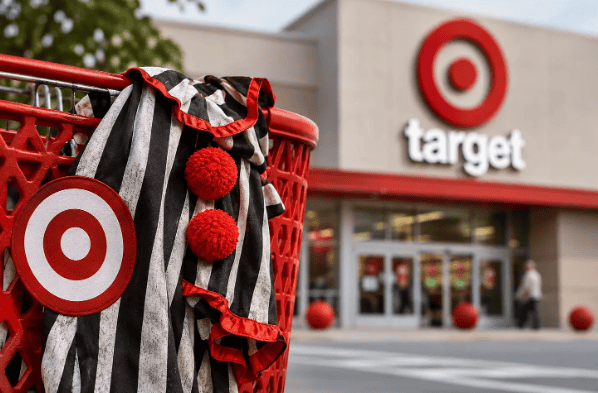
Halloween is supposed to be scary. But for Target, the fright came from a children’s costume that made it through the company’s approval processes and onto store shelves.
In August, Target faced criticism over its “Kids’ Glows Under Blacklight Circus Clown Halloween Costume,” which critics said resembled racist caricatures from Jim Crow-era minstrel shows. Target apologized, removed the costume from sale, and committed to examining how the product was approved.
But this wasn’t Target’s first controversy involving its relationship with Black consumers.
In January 2025, Target announced changes to its diversity, equity, and inclusion initiatives, prompting Black community leaders to organize a national boycott. More than a year later, the boycott was still ongoing when the Halloween costume appeared. Organizers saw the incident as further evidence that their concerns about Target’s leadership and decision-making had not been addressed.
Which raises two important questions:
- How many people had to say yes before that costume reached customers?
- And what had Target learned from more than a year of stakeholder criticism?
Consider the decisions involved in bringing a product to market. Someone selects it. Someone approves it. Someone photographs it. Someone markets it. Somewhere along the way, there are opportunities to identify risks that extend beyond whether a product will sell. Just ask Callaway Golf.
We don’t know exactly what happened inside Target. Perhaps concerns were raised and dismissed. Perhaps no one recognized the problem. Or perhaps the company’s processes never required anyone to consider the reputational implications. Each possibility points to a different organizational vulnerability.
But there’s another issue here. Organizations don’t get to treat every crisis as an isolated event. Stakeholders remember previous decisions, particularly when those decisions have damaged trust. And when a new controversy appears to reinforce existing concerns, an apology may do little to change their perceptions when they know you should have learned your lesson.
Target’s removal of the costume addressed the immediate problem. But the larger challenge is demonstrating that the organization has learned from its previous decisions and that those lessons have changed how it operates.
Because crisis management isn’t just about responding effectively when something goes wrong. It’s about building an organization capable of recognizing vulnerabilities, learning from mistakes, and preventing the next crisis.
Remember brand is what you pay for, reputation is what people think and say about you. Here are a few thought starters you can discuss at your next team meeting to help your leaders and team see how your business would handle this situation:
- What is your approval chain of command? If someone in your organization identifies a reputational risk in a decision that leadership has already approved, do they have the authority and confidence to challenge it?
- Are we actually learning? Think about your organization’s last significant controversy or stakeholder complaint. What changed in your decision-making processes as a result? Can you point to evidence that those changes are working? Do you do After Action Reviews?
- What baggage are we carrying? Which stakeholders have lost trust in your organization, and how might that history influence their reaction to your next mistake? Is that discussion happening?
One action this month
Revisit a previous organizational controversy. Identify one change that was promised or implemented in response. Then ask whether that change has actually happened and has it improved how your organization makes decisions. If the change wasn’t implemented, find out why.
Kith facilitates crisis preparedness workshops that will help your company attain the clarity, trust, and strategic speed you need to respond confidently – no dithering! – to any crisis. We’d be happy to have a conversation about how we can help your company be ready to chart an effective course to reputation protection.
Looking for more fresh insights? Crisis of the Month is a no-fluff Substack that breaks down real-world crises and what they teach us about leadership, communication, and damage control. Whether you’re in comms, ops, or just crisis-curious, this is your monthly guide to what went wrong — and how to do it better. Sign up today!
