
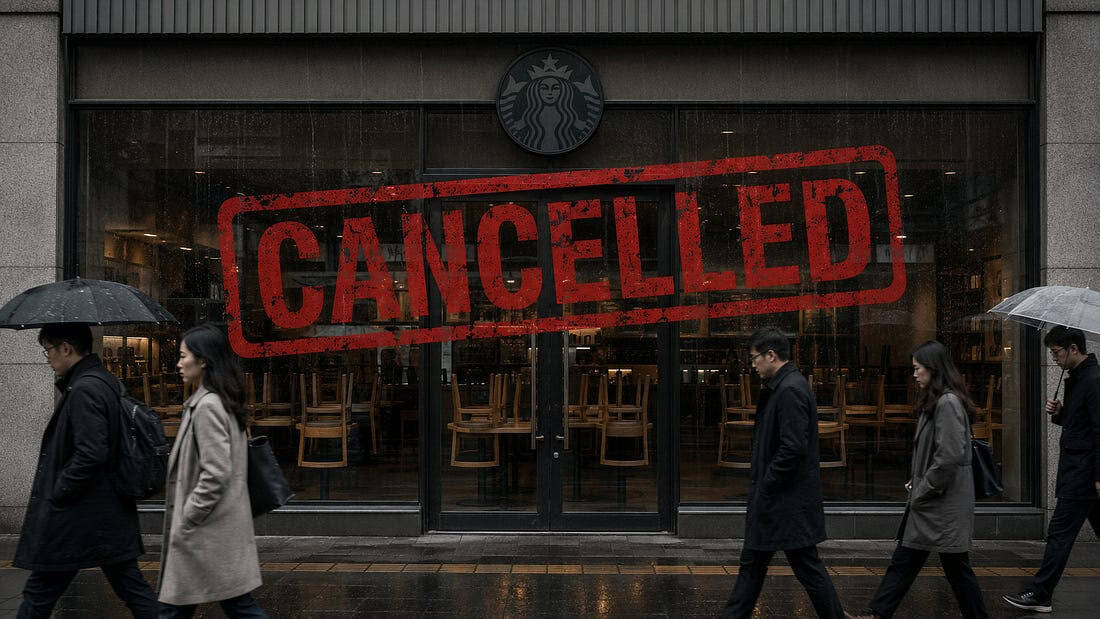
Starbucks has done it again. Another preventable fumble, this time in their third largest market. Each one of the things that went wrong when Starbucks launched “Tank Day” to promote a new line of “tank” coffee tumblers was preventable. While the stores in South Korea are owned by the Shinsegae Group, it is the Starbucks brand that takes the hit.
The campaign debuted on the anniversary of the 1980 Gwangju Uprising, when South Korea’s military deployed tanks and troops against pro-democracy protesters. Because tanks were used during the military’s attack, Starbucks Korea’s “Tank Day” campaign was viewed as insensitive.
To make matters worse, the campaign also used the slogan “thwack on the desk,” which closely resembled the police’s covers story for the 1987 torture and death of student activist Park Jong-chul. Authorities claimed that Park died after an officer had used his fist to “hit the desk with a thwack”.
Criticism quickly escalated into boycotts, protests, customers deleting the Starbucks app, and demands for refunds on prepaid balances and even smashing cups. Starbucks pulled the promotion just hours after its launch, and CEO Son Jeong-hyun was dismissed later that day. Prior to his dismissal, Son issued an apology and announced plans for company-wide training focused on historical awareness and ethics. Stores closed for three hours in June so that employees, including Chairman Chung Yong-jin, could attend a mandatory history lesson.
So, what is the significance of this situation from a crisis management perspective? Again – IT WAS COMPLETELY PREVENTABLE.
Problem one – The slogan and campaign was generated with AI and never sense checked. If an organization doesn’t have the cultural awareness built in, then it has to check so they understand the cultural and historical context in which they operate. When those expectations aren’t met, the consequences often extend far beyond just one failed campaign. In this case, the result was outrage, damaged trust, and a lingering question: How did this campaign ever get approved?
Problem two – No one paid attention. According to the company’s internal investigation, several managers approved the campaign without even opening the attached materials. Like many preventable crises, this situation reflects a systemic failure rather than an isolated mistake. Organizations with strong checks and balances are far more likely to catch potential problems before they become public.
Here are a few thought starters you can discuss at your next team meeting to help your leaders and team see how your business would handle this situation:
Discussion Questions:
- What changes could you make today to strengthen your organization’s checks and balances?
- Does your current approval process encourage employees to challenge ideas and identify potential risks?
- If AI is used in your organization, what safeguards are in place to ensure human oversight?
- Bonus question – do you think the “history lesson” for the whole company was enough?
Kith facilitates crisis preparedness workshops that will help your company attain the clarity, trust, and strategic speed you need to respond confidently – no dithering! – to any crisis. We’d be happy to have a conversation about how we can help your company be ready to chart an effective course to reputation protection.
Looking for more fresh insights? Crisis of the Month is a no-fluff Substack that breaks down real-world crises and what they teach us about leadership, communication, and damage control. Whether you’re in comms, ops, or just crisis-curious, this is your monthly guide to what went wrong — and how to do it better. Sign up today!
